
Call us
Click for remote support
Create a support ticket
In the world of Information Technology things are constantly changing. New websites, software, applications, languages and use cases arise daily. The last few years have shown up advances in medical technology, remote work, AI, AR, Bitcoin, and many other things. But what are the new and upcoming trends of 2022/2023 in Information Technology? That is what we will be discussing in todays We Fix IT Blog!
Through scouring the internet, journal articles and talking with other people within the industry we have decided to go into detail about a few of the up-and-coming trends that are starting to cause a stir. These IT trends include cloud computing, big data, and the Internet of Things. So let us know take a further look into what each of these things are and how they will affect the future of IT.
Cloud computing is a model for enabling ubiquitous, convenient, on-demand network access to a shared pool of configurable computing resources (e.g., networks, servers, storage, applications, and services). There are many reasons why cloud computing is considered the future. Some of these reasons include the following:
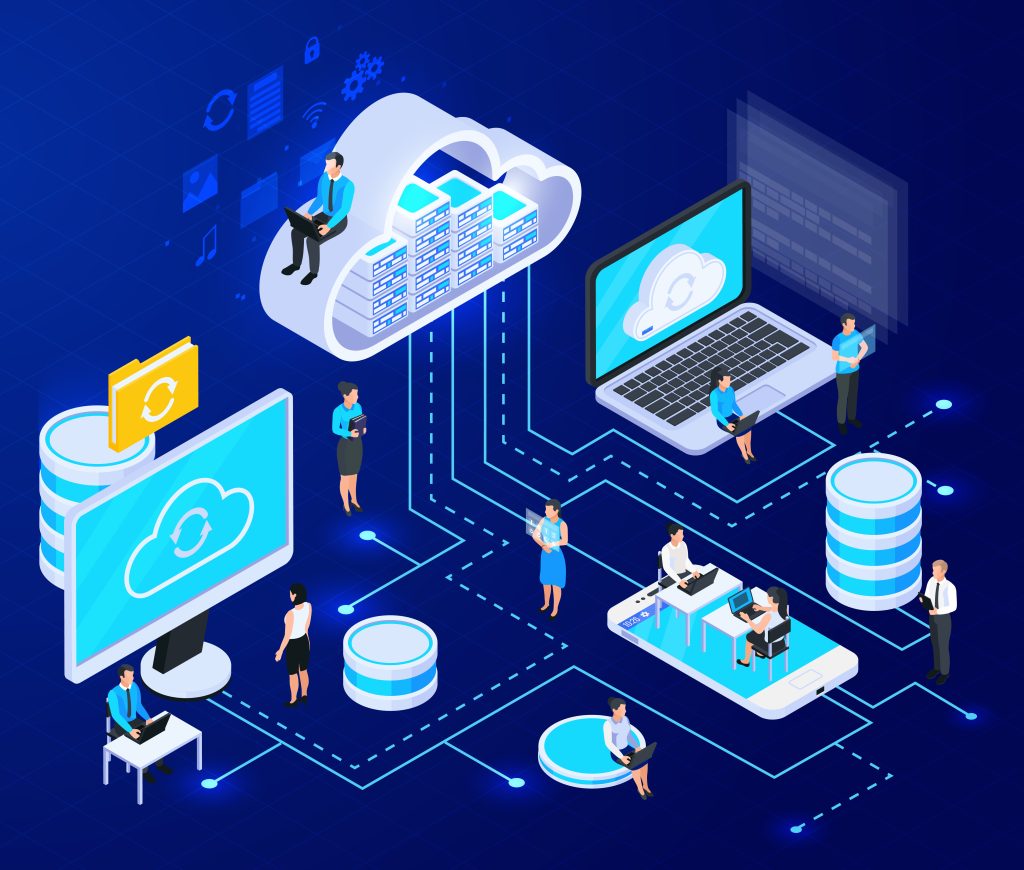
With positive attributes however do also come negative attributes and cloud computing is no exception to that. The few potential negatives of cloud computing we have had turn up in discussion include:
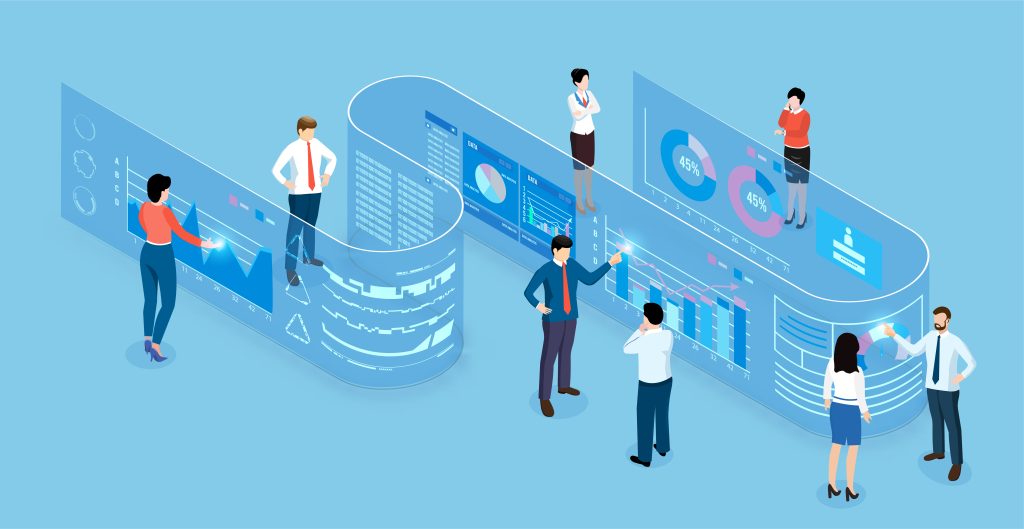
Let us now move on to discussing big data and learning what it is, what are its potential benefits and what are its challenges. There is no single definition of “big data,” but in general it refers to data sets that are so large or complex that traditional data processing techniques are inadequate. Big data is often characterized by the “3Vs”: volume (the amount of data), velocity (the speed at which data is generated), and variety (the range of data types).
The term “big data” has been used in a variety of contexts, but it is most commonly associated with the challenges and opportunities posed by the explosion of digital data. With the proliferation of Internet-connected devices and the popularity of social media, businesses and individuals are creating ever-larger data sets. At the same time, advances in data-processing technologies are making it possible to store, analyze, and draw insights from big data.
The potential benefits of big data are often described in terms of its ability to help organizations make better decisions. For example, by analyzing large data sets, businesses can identify trends and patterns, and make more informed decisions about product development, marketing, and operations. In the healthcare sector, big data is being used to improve patient care and to develop new treatments and cures for diseases. In the public sector, big data is being used to combat crime, to improve traffic flow, and to manage the environment.
Despite the potential benefits, big data also poses challenges. For example, it can be difficult to collect and process big data sets, and to ensure that they are accurate and reliable. There are also privacy and security concerns, as large data sets may contain sensitive information about individuals and businesses.
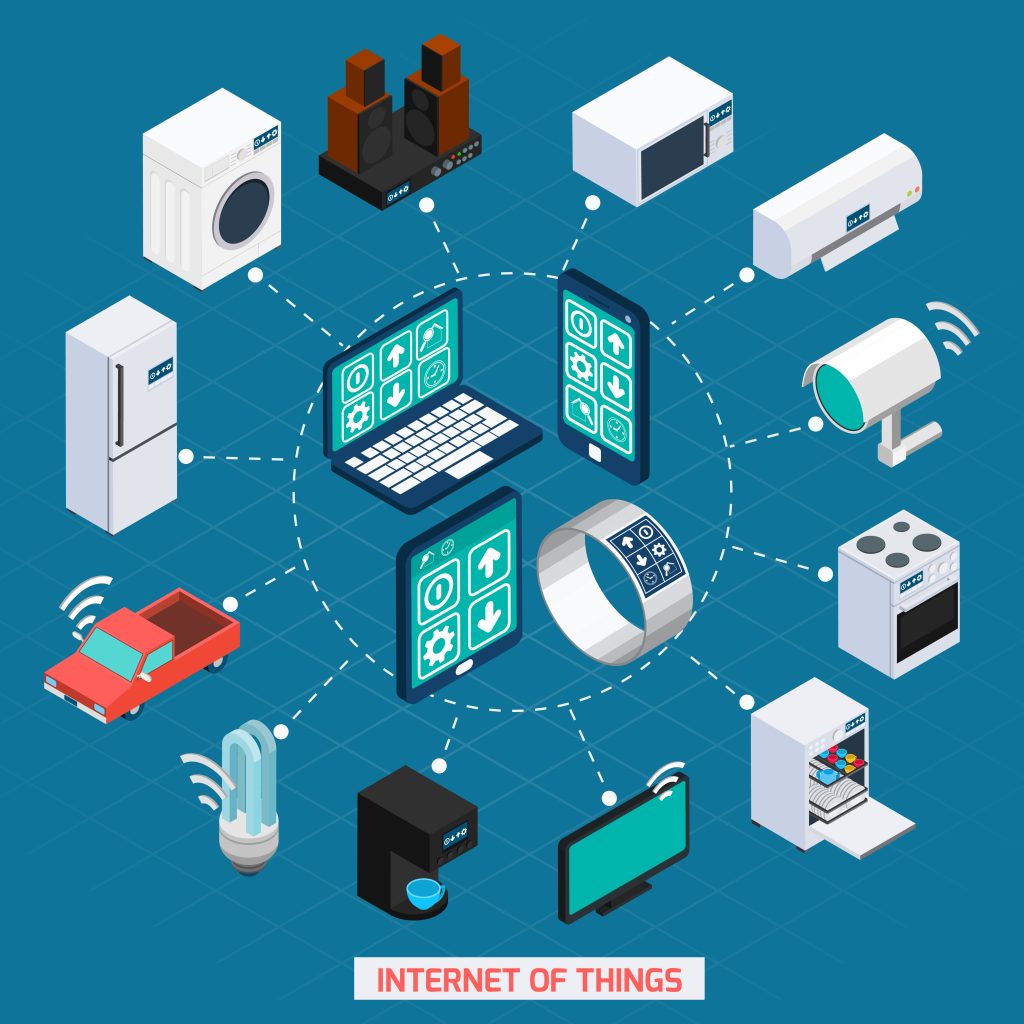
Finally, we will discuss the Internet of Things (IoT). IoT is a system of interconnected computing devices, mechanical and digital machines, objects, animals, or people that are provided with unique identifiers and the ability to transfer data over a network without requiring human-to-human or human-to-computer interaction. We as customers/consumer should care about the internet of things because it has the potential to make our lives more convenient, efficient, and connected. There is no doubt that the Internet of Things is the future. It is already making a huge impact on the way we live and work, and its potential is limitless. The IoT is transforming every industry, and it is only going to become more integral to our lives in the years to come.
Overall, the new information technology trends discussed above are no doubt very exciting and provide a lot of potential for businesses and consumers alike. It will be interesting to see how these trends evolve and what new applications and uses are developed for them in the future.
